Why Smart Phones
More Than a Phone: A Tool for Transformation
Many people in Rwanda do not own a smartphone. In the fourth quarter of 2021, only 1,943,786 smartphones were operational or active in Rwanda (approximately 15 per cent of entire population), according to data from Rwanda Utilities Regulatory Authority (RURA).

Distribution of mobile smartphones has shown positive results in areas such as:
- Economic Development-Financial Inclusion
- Social Relationships
- Financial inclusion> E-Health> E-Agriculture > E-Learning
- Efficiency of Daily Activities
- Transport
- Business Activities
- Market Information for Agricultural Produce
Digital Inclussion
With mobile connectivity now integral to the modern economy, a key part of any national Development Programme must be digital inclusion.
This is projected to grow significantly, but for Africa’s people to fully reap the dividends of mobile connectivity, it is critical that 3/4G-enabled smartphone handsets be made more easily attainable for the entry-level market. In order to get to a cashless economy the prerequisite is that mobile penetration with smartphones be ubiquitous.*
https://www.busiweek.com/affordable-smartphones-drive-digital-inclusion-in-africa/

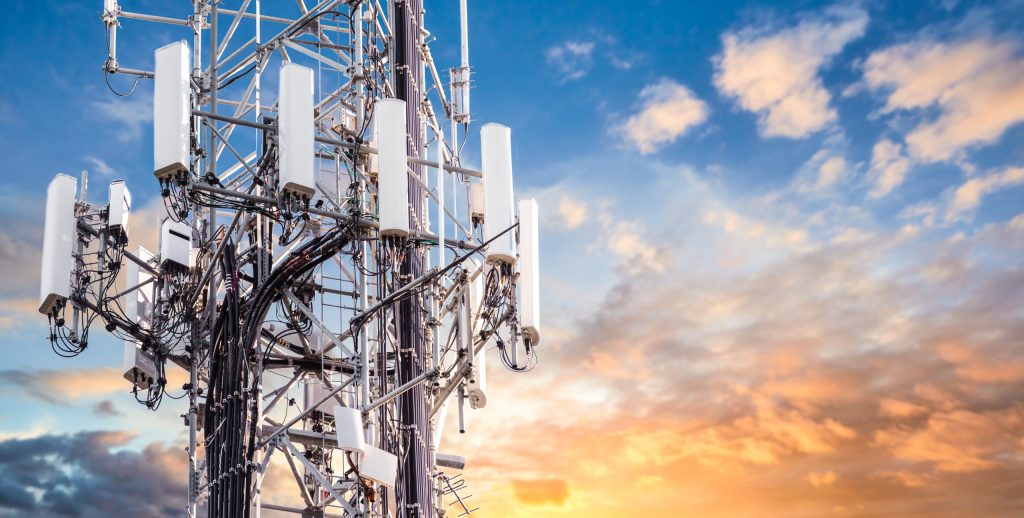
Deployment of infrastructure and networks
With mobile connectivity now integral to the modern economy, a key part of any national Development Programme must be digital inclusion.
This is projected to grow significantly, but for Africa’s people to fully reap the dividends of mobile connectivity, it is critical that 3/4G-enabled smartphone handsets be made more easily attainable for the entry-level market. In order to get to a cashless economy the prerequisite is that mobile penetration with smartphones be ubiquitous.*
https://www.busiweek.com/affordable-smartphones-drive-digital-inclusion-in-africa/
Enabling services and relevant content
Mobile connectivity continues to transform the lives of millions of people across the region, by enabling the delivery of life-enhancing services, including education, health and financial inclusion. This is especially significant given the challenge of providing services by conventional means amid considerable infrastructure and funding gaps.

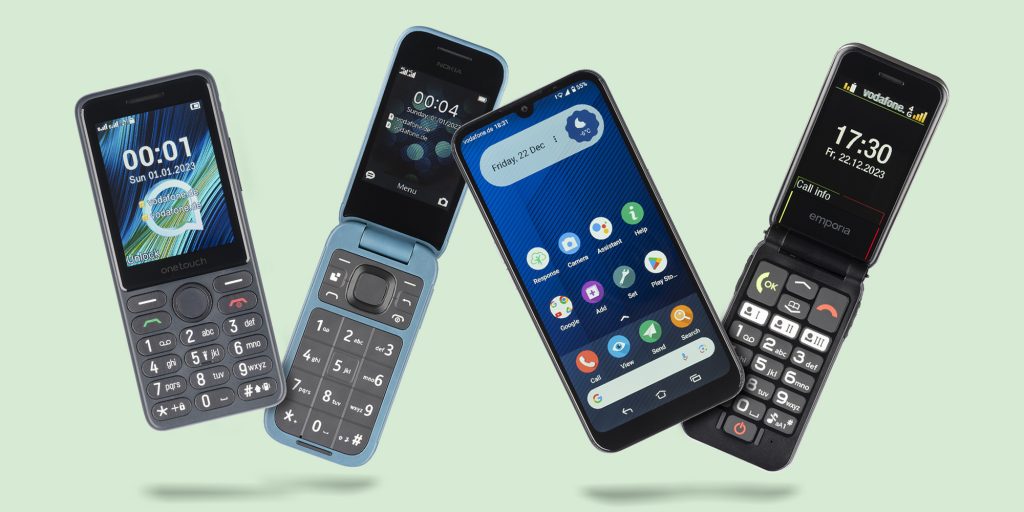
Smartphone or Feature Phone
“The type of mobile device one uses has a major impact on how they use the internet. Although it is possible to access the internet on a feature phone, internet use is typically much richer, more regular and varied on a smartphone. For the first time, the GSMA has evaluated and sized the smartphone gender gap in LMICs, and the findings reveal the critical importance of smartphones in the mobile internet customer journey.”
Cashless
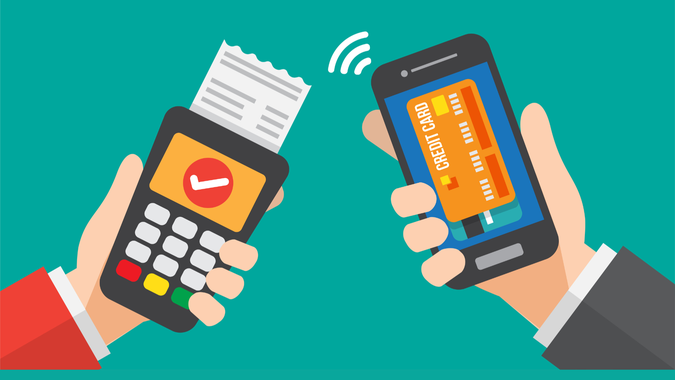
As we move towards a cashless society and where more and more government services are online, it becomes increasingly important to ensure that the vast percentage of the population are included in the digital revolution and are able to avail of the myriad of services through the use of a connected smartphone. Mobile applications are also being used to combat poverty by expanding service delivery possibilities in healthcare, agriculture, employment and education as well as mobile government. Mobile governance, or m-governance, is the use of mobile technologies to support governance processes — within government, between the state and civil society, and within civil society.
Government Strategy
His Excellency President Kagame bemoans country’s low smartphone penetration rate. In April 2019, the Rwanda Utilities Regulatory Authority (RURA) said the country’s internet penetration increased to 52.1% at the end of 2018, but the proportion of mobile subscribers using smartphones is reportedly much less – about 15% according to President Kagame.
The Rwanda National Payment Strategy 2018 calls for 70% Mobile Phone penetration by 2024*
(https://itweb.africa/content/rxP3jqBmr2LMA2ye)
*The Rwanda National Payment System (RNPS) Strategy 2018 – 2024 reaffirms the commitment of the National Bank of Rwanda (BNR) and the Ministry of Finance and Economic Planning’s (MINECOFIN) commitment to encourage the use of electronic payments by all residents of Rwanda, to achieve a cashless society. The vision of the RNPS, its five strategic pillars and accompanying implementation metrics act as a strong guide towards accomplishing a cashless economy, and a financially included population.